

The More You Organize, the Messier Your Home Gets. Here’s Why.
This might sound a little strange, especially coming from someone who teaches organizing… but organizing can actually make your house messier.
And if you’ve ever felt like you’re putting in all this effort to get organized but things still aren’t staying under control, you’re not imagining it! After years of helping people with their homes, there are a handful of patterns that show up over and over again. They’re sneaky, and they can quietly work against you instead of for you.
Let’s walk through them so you can avoid the same frustration– keep reading or watch the video here!
When One Project Takes Over Everything
One of the most common ways organizing backfires is when you get so focused on one project that everything else falls apart.
You decide to organize your office or craft room, and suddenly all your time and energy goes there. Meanwhile, the rest of your home starts slipping. The laundry piles up, dishes sit in the sink, and before you know it, it’s dinnertime and you haven’t even thought about what you’re going to make.
It’s not that organizing is the problem. It’s that it pulls your attention away from the daily habits that actually keep your home running smoothly.
When Organizing Turns Into Buying More Stuff
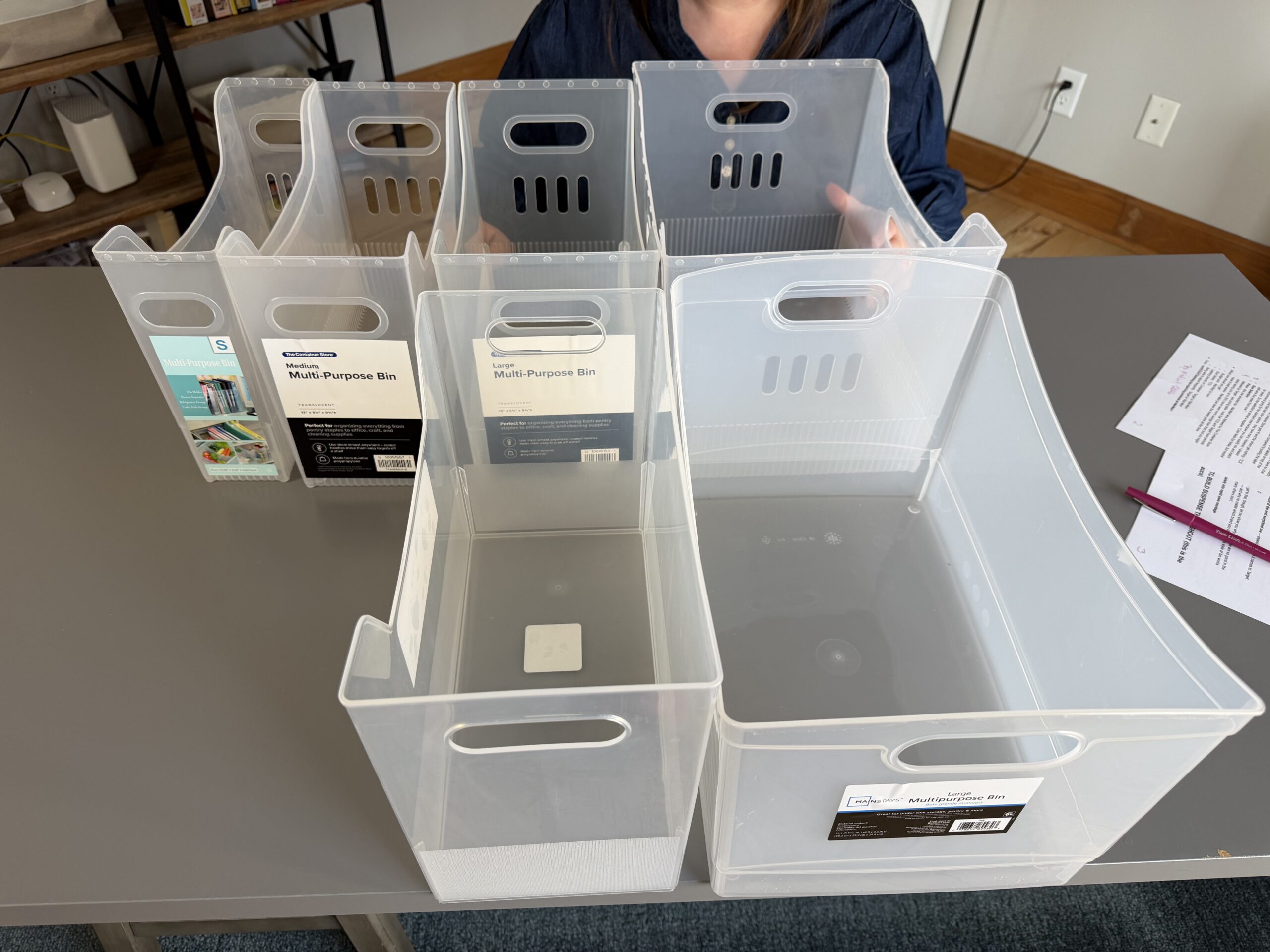
Another sneaky one is when organizing leads to buying more.
You get motivated, head out to grab bins and containers, and before you know it, you’ve got a cart full of “organizing solutions.” But instead of solving the problem, now you’ve added more stuff to manage.
Sometimes it doesn’t even fit the space or work the way you thought it would, which leaves you with a pile of returns or extra clutter.
Bins can absolutely be helpful, but only when you’re intentional about what you actually need.
When Your System Is Too Complicated to Maintain
This is where things can look amazing… but fall apart quickly.
If your system requires multiple steps every time you put something away, there’s a good chance you won’t keep up with it. Pulling out bins, moving stacks, opening lids, putting everything back exactly right… it might look great, but it’s not practical for everyday life.
This applies to digital organization too. You can create a beautifully detailed system with tons of categories and labels, but if it’s too complicated to maintain, it’s not really helping you.
At the end of the day, your system has to be easy enough that you’ll actually use it.
When Your System Isn’t Built for Real Life
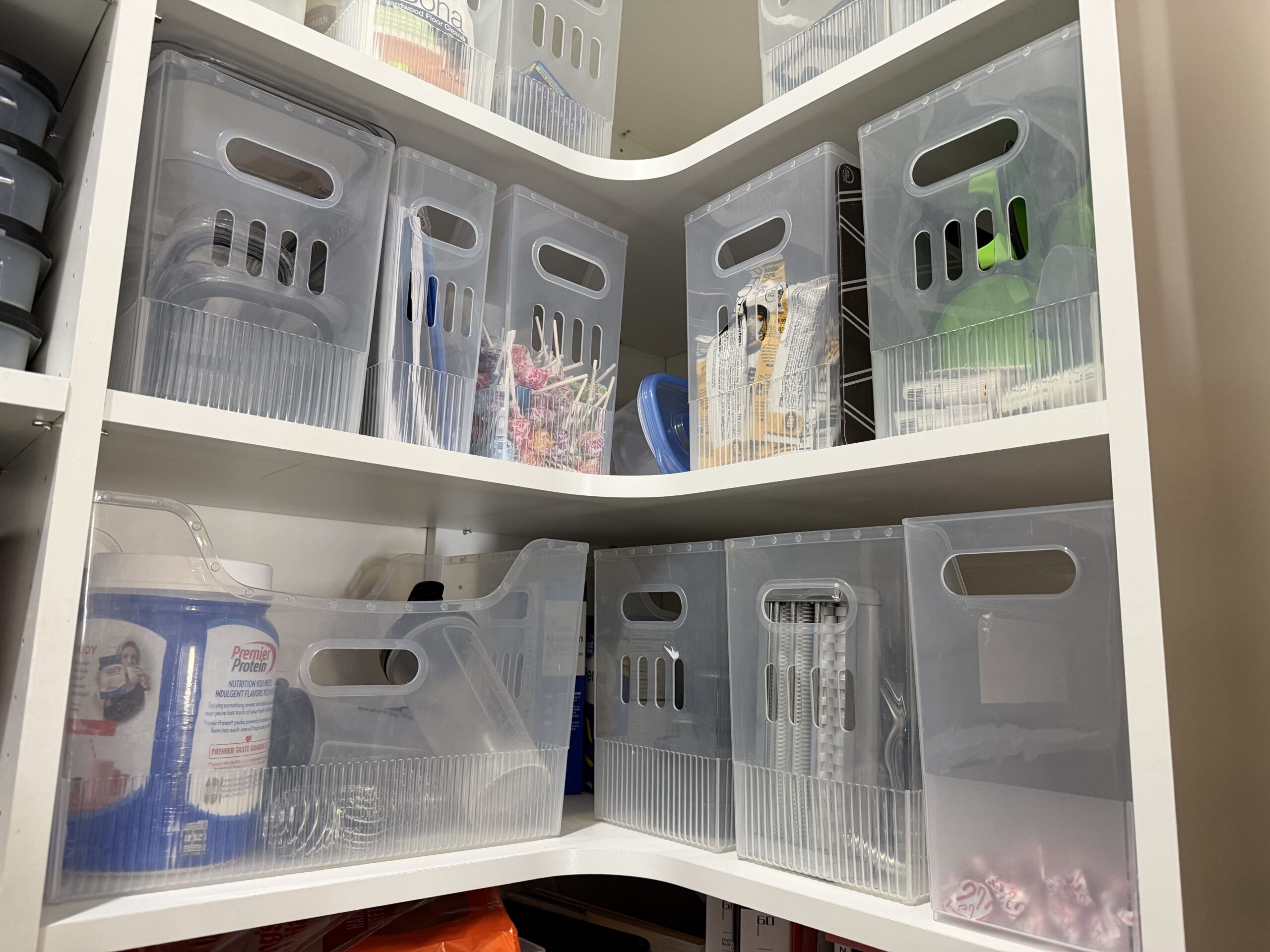
Here’s something a lot of people overlook. Your system has to match the people using it.
If it’s just you, you can design something that fits your preferences perfectly. But if it’s a shared space like the pantry, you need to think about everyone who uses it.
A system that only works for you is going to break down quickly if other people can’t or won’t follow it.
When “Simple” Doesn’t Actually Work for You
This one might sound a little backwards, but sometimes the problem is that your system isn’t complicated enough.
Not in a “make it harder” way, but in a “make it work for you” way.
For example, some people are very visual and care a lot about how things look. If a system feels satisfying and looks the way they want it to, they’re more likely to keep up with it, even if it takes a few extra steps.
On the other hand, a super simple system that doesn’t feel right might get ignored.
The goal isn’t the simplest system possible. It’s the system you’ll actually maintain.
When You Organize Clutter Instead of Removing It
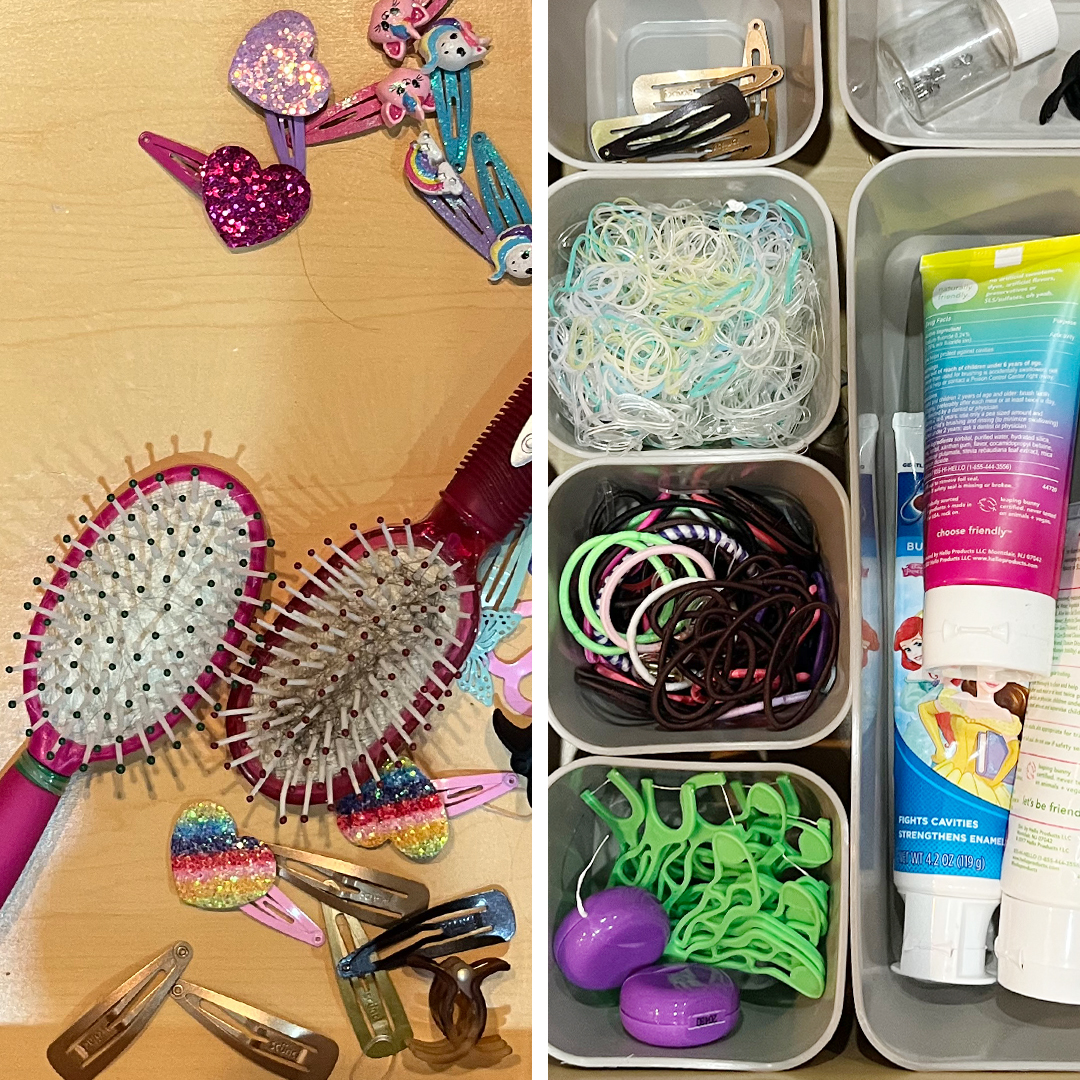
This is a big one.
You absolutely can organize clutter. It’s possible to neatly arrange things you don’t use, don’t need, and may never touch again.
But just because you can doesn’t mean you should.
When you organize clutter, you’re giving yourself more to manage and spending time on things that would be better off gone. It can even trick you into keeping more than you need because it looks nice when it’s all lined up.
Instead, be honest about what you actually use and let the rest go.
When You Organize Before You Declutter
This goes hand in hand with the last point.
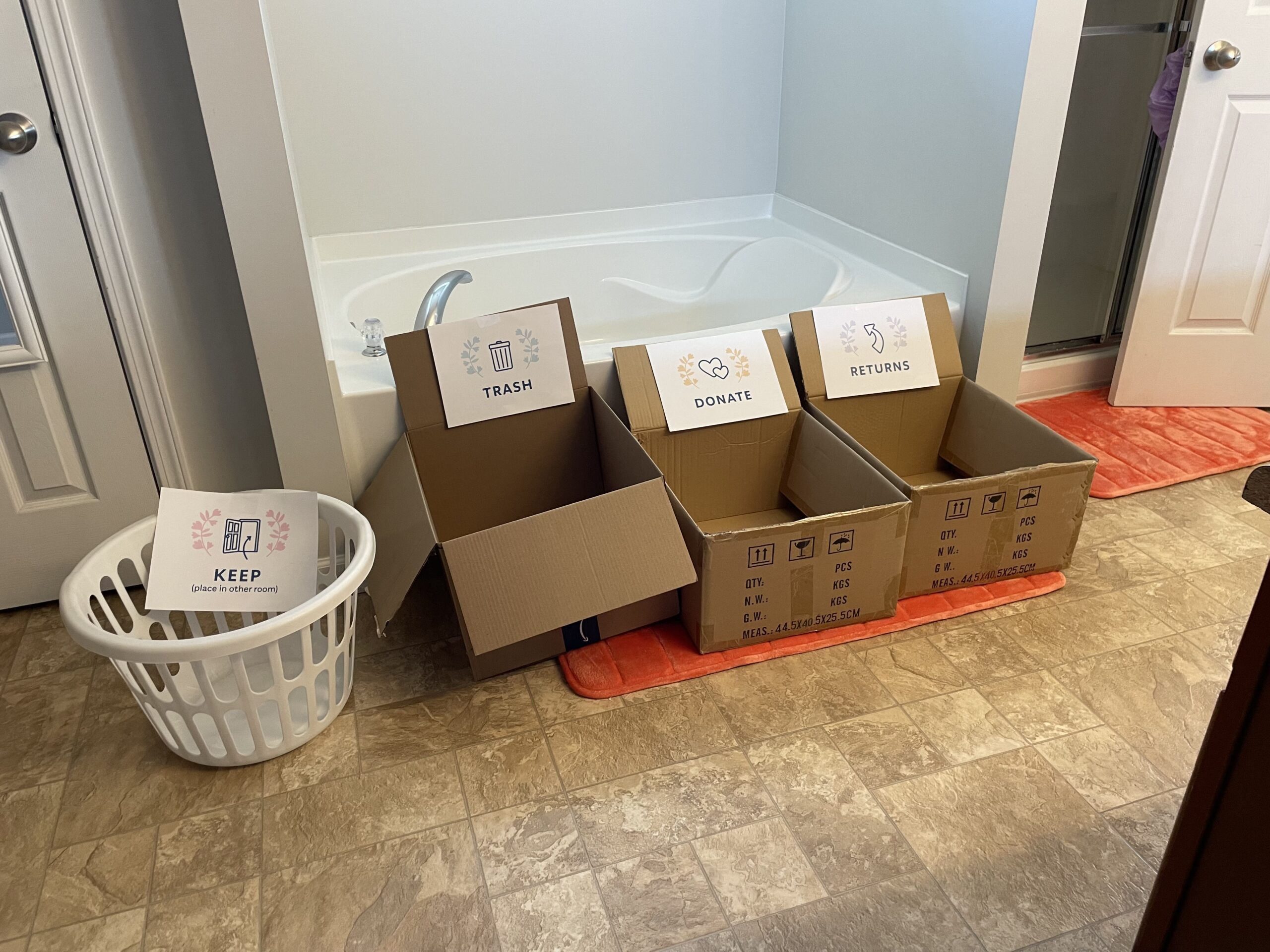
If you organize before you declutter, you’re essentially building a system around things that may not even belong in your home.
It’s always more effective to remove what you don’t need first, and then organize what’s left.
Otherwise, you’re doing extra work for no real benefit.
When You Organize What’s There Instead of What Belongs There
This is a subtle shift, but it makes a huge difference.
Most people organize by looking at a space and arranging whatever is already there. But that assumes those items belong there in the first place.
Instead, think about it this way. If the space were completely empty, what would make the most sense to go there?
For high-use areas like kitchens, bathrooms, and offices, this matters a lot. The items you use most often should be the easiest to reach, not just the ones that happened to already be there.
Function should come before appearance every time.
When You Think You’ll “Finish” Organizing
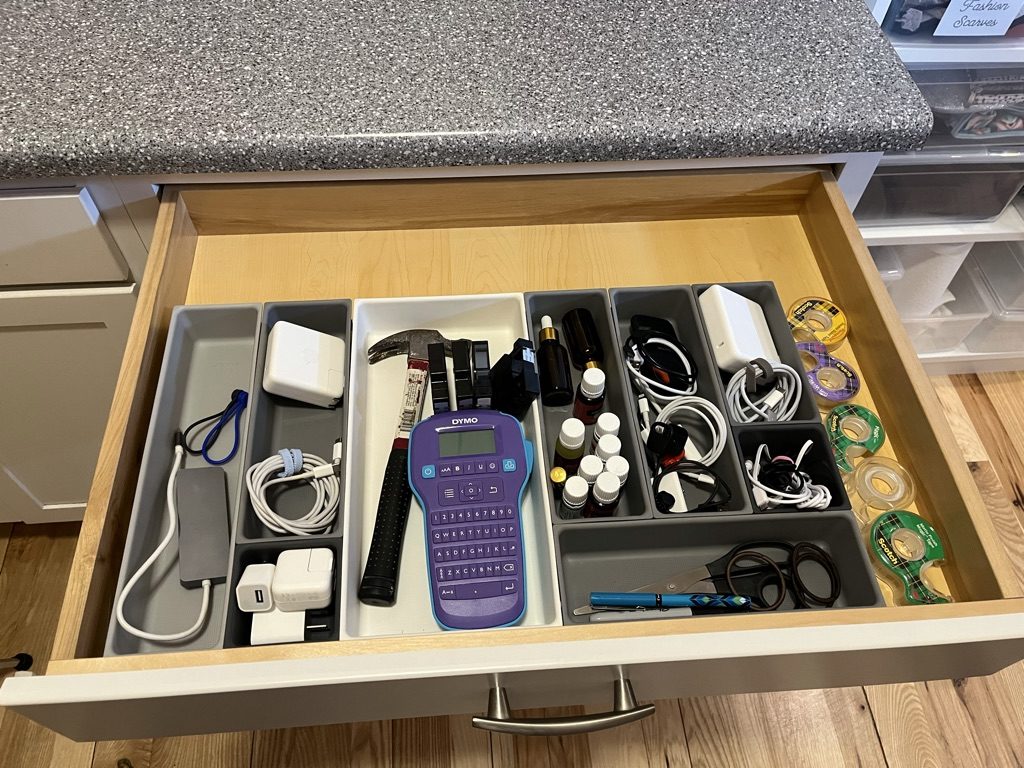
It’s tempting to think that once you organize everything, you’ll be done forever.
But that’s not how it works.
Your home, your routines, and your needs are always changing. Even the best systems need occasional adjustments and maintenance.
The good news is that once you’ve done the initial work, staying on top of it becomes much easier. But it’s not a one-and-done project.
The Biggest One of All
If you take nothing else away from this, remember this.
Organizing and decluttering are helpful, but they are not the main thing that keeps your home tidy.
Your daily habits matter more.
Things like:
- Putting items back after you use them
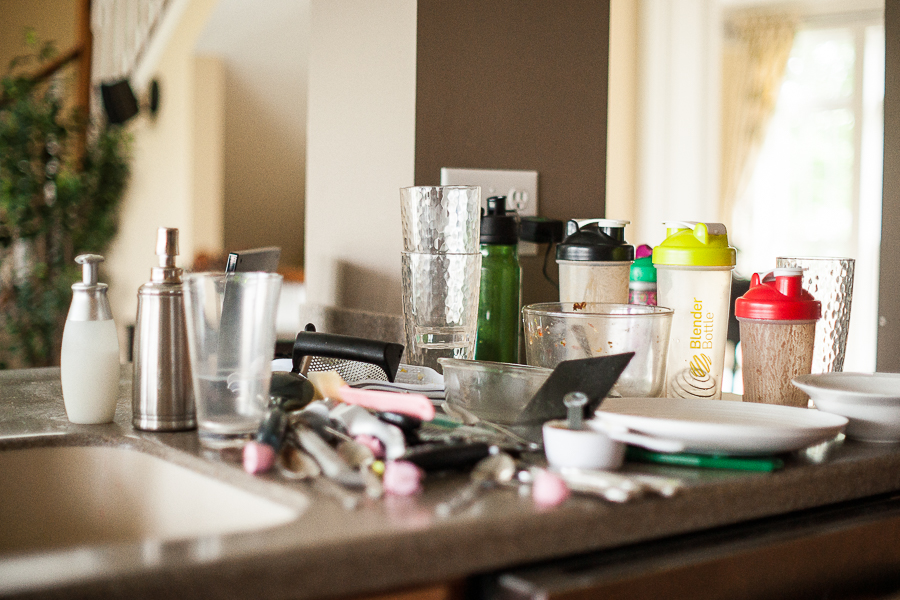
- Washing dishes after meals
- Resetting your space each day
Those small, consistent actions are what actually keep your home under control.
Organizing gives you the structure, but your habits are what make it work.
SONY DSC
The Bottom Line
If organizing has ever felt like it’s not working for you, it’s probably not because you’re doing it wrong. It’s because some of these patterns have been quietly getting in the way.
The goal isn’t to organize more. It’s to organize smarter.
When your systems are simple enough to maintain, designed for real life, and supported by daily habits, that’s when everything starts to click.



 Copyright 2026, Get Organized HQ.
Susan Says
Or another one: making one place pretty by dumping all the clutter in another area.
Lin Says
I’ve perused your posts for several years now and this one was really spot on! Thank you for a wholistic perspective, one that addresses the realitiy of how to fit in the organizing of one’s stuff alongside everyday home maintenance. 🙂
Jaynie Says
My two favorites in here:
“When You Organize Clutter Instead of Removing It“. (Good point!)
“Organizing gives you the structure, but your habits are what make it work.” (I appreciate you reminding me about the habits.)
Thank you Laura!
Lynne Says
I’ve been doing a daily reset in my kitchen and love it. It takes time, but the table is cleaned off, dishes are done and put away and the counters are clean. Waking up to a clean kitchen is such a joy! Now, I have to pick another area! I think I’ll start with my office space!!!