

I Ranked the Internet’s Favorite Decluttering Tips & Hacks
Today I’m ranking the internet’s most popular decluttering tips and hacks so you can try the ones that actually help and skip the ones that make your house worse!
Before we dive in, one important clarification: these are stand-alone tips. None of them are a complete system, and none of them will magically solve your entire clutter problem. I’m ranking them based on how they perform on their own. To check out my results, keep reading, or watch the video here!
Here’s the scale:
-
S Tier – Surprisingly powerful. Top-tier helpful.
-
A Tier – Rock solid. Strong advice.
-
B Tier – Works for some, with caveats.
-
C Tier – Decent, but sometimes more effort than it’s worth.
-
D Tier – Usually more trouble than it helps.
-
F Tier – I’d skip it.
Let’s get into it.
The 10-Minute Timer (A Tier)

Set a timer for 10 minutes, grab a declutter box and a trash bag, and go. There’s almost no downside here. The barrier to entry is incredibly low, and you can do it even when you’re not motivated because it’s only 10 minutes. Used consistently, this can absolutely transform a space. It’s simple, sustainable, and doesn’t create chaos.
“Pull Everything Out First” (F Tier – Full Scale)
You’ve heard this one: empty the entire closet, dump the whole drawer, clear the whole cabinet. The theory is that you’re forced to touch every item and make a decision. The reality is that most people pull out far more than they can reasonably handle. The closet ends up all over the bedroom floor, you get overwhelmed, shove piles into corners, and the problem gets worse.
If you want to try it, modify it to one drawer or one shelf—an amount you know you can finish. But the full-scale version usually backfires.
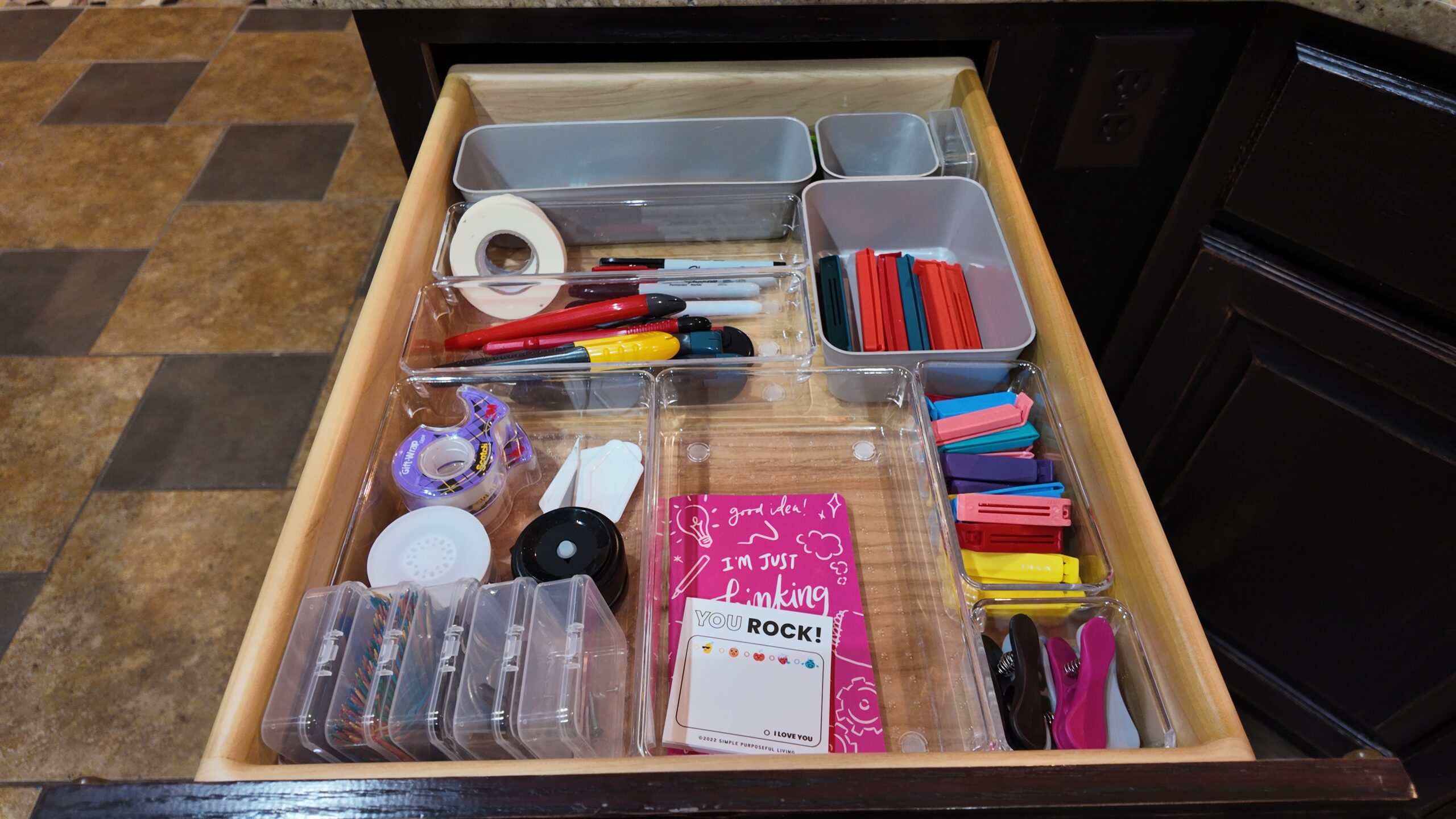
Give Every Item a Home (S Tier)
default
This is some of the most rock-solid decluttering advice out there. Clutter doesn’t usually build because you’re lazy; it builds because you’re mentally tired. When something doesn’t have a clear home, you have to make a decision every single time you touch it. That constant decision-making is exhausting.
When everything has a defined place, you don’t hesitate—you just put it away. This gets to the root of clutter instead of treating symptoms.
Declutter One Item a Day (B Tier)
This method is simple and easy to start. The barrier to entry is almost nonexistent. But if you have a significant amount of clutter, it can take years to see meaningful progress. It’s also personality dependent. If you’re an “all at once” type, this can feel painfully slow and frustrating.
It works well layered onto other methods, but on its own, it’s limited.
“Would I Buy This Again?” (S Tier)
This question is powerful because it cuts through guilt and sunk cost. Even if you made a mistake buying something, that mistake already happened. Keeping the item won’t undo it.
If you wouldn’t buy it again today, why is it still taking up space? This question quickly clarifies what truly belongs in your home.
Massive Weekend Declutter (D Tier)
The idea is appealing: dedicate one weekend and emerge with a completely transformed home. The problem is that for most people, one weekend isn’t enough. Many don’t have entire weekends available, and if you do, the exhaustion afterward can derail you.
This method is highly personality dependent. Some people thrive on batching, but most do better with consistent, smaller sessions.
The 12-12-12 Challenge (B Tier)
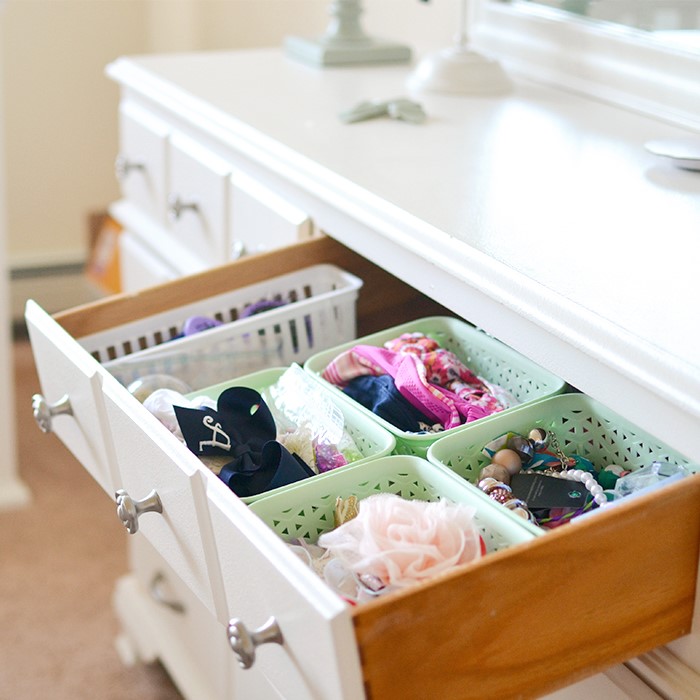
Find 12 things to toss, 12 to donate, and 12 to put away. It’s fun and gamifies the process, which can make it motivating. However, the novelty often wears off. Sometimes you end up searching for “number 12” instead of making wise decisions.
Helpful for momentum, but limited as a long-term strategy.
The Container Principle (S Tier)
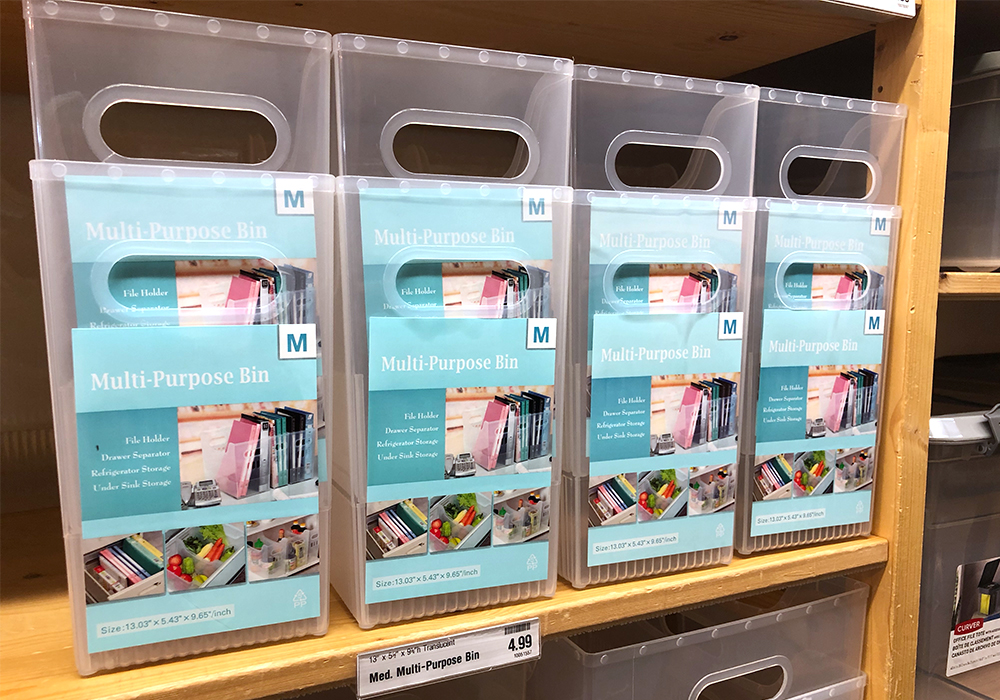
The container is the boundary. Once it’s full, you don’t get another container and you don’t shove things around it. Instead, you remove the worst items to make room for better ones. This works beautifully for clothing, craft supplies, pantry items, and toiletries.
It creates natural limits and gradually elevates the quality of what you own. There are very few downsides when applied thoughtfully.
“Haven’t Used It in a Year? Toss It.” (C Tier)
This rule is simple, which makes it appealing. But it breaks down quickly with seasonal items, sentimental belongings, and reasonable backups. You can also get stuck trying to remember whether you used something 11 months ago or 13 months ago.
It’s fine as one consideration, but not as a strict rule.
“Does This Spark Joy?” (C Tier)
Popularized by Marie Kondo in The Life-Changing Magic of Tidying Up, this question aims to focus on what you truly love. I appreciate the heart behind it. However, it can become overly subjective, especially for logical thinkers.
Does your toilet brush spark joy? Probably not. Should you declutter it? Also no. It works beautifully for some items and personalities, but not universally.
Swedish Death Cleaning (A Tier)
This concept asks you to consider what will happen to your belongings when you’re gone. Instead of asking whether you want something, you ask whether it will bless or burden the people who come after you.
For sentimental items especially, this perspective can bring surprising clarity and make difficult decisions much easier.
The “Halfway House” Box (C Tier)
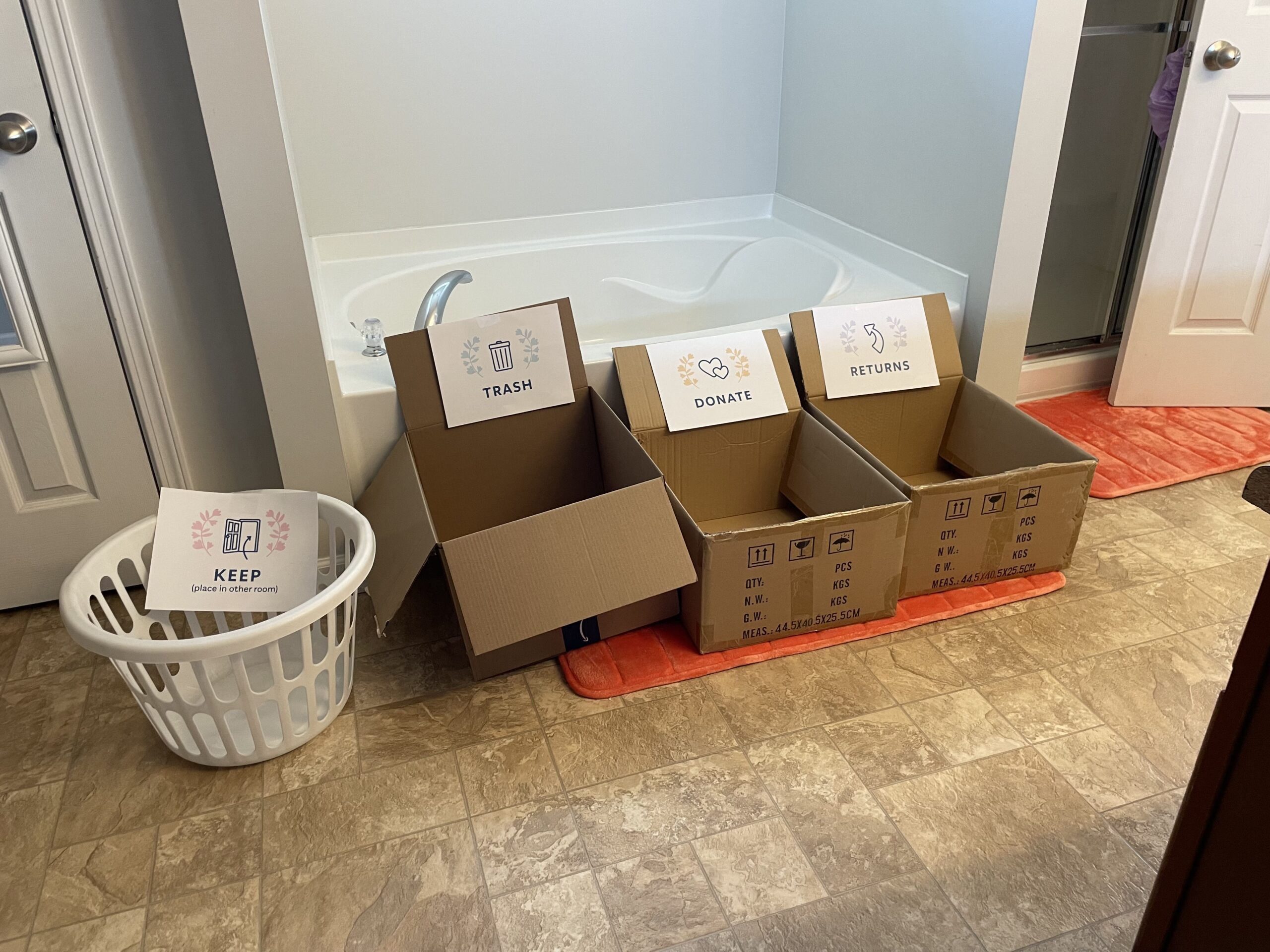
For items you’re unsure about, you place them in a box with a set deadline. If you don’t retrieve them by then, you let them go. This can reduce anxiety and help you move forward, but it’s easy to overuse and end up with multiple boxes of indecision.
Used sparingly, it’s helpful. Used frequently, it becomes avoidance.
One In, One Out (A Tier)
Bring something in, remove one of the same category. This is excellent for maintenance and forces intentional buying. It keeps categories balanced and prevents clutter from slowly creeping back in.
It won’t solve a large clutter problem on its own, but it’s a fantastic guardrail.
Declutter by Category Instead of Room (B Tier)
Also encouraged by Marie Kondo, this approach lets you see the full scope of what you own in a category. That makes duplicates obvious and comparisons easier. However, it can be logistically challenging and time-consuming to gather everything, and you may not see quick visual progress in one space.
There’s a place for it, but it’s not always the best starting point.
Capsule Wardrobe / 10-Item Wardrobe (C Tier)
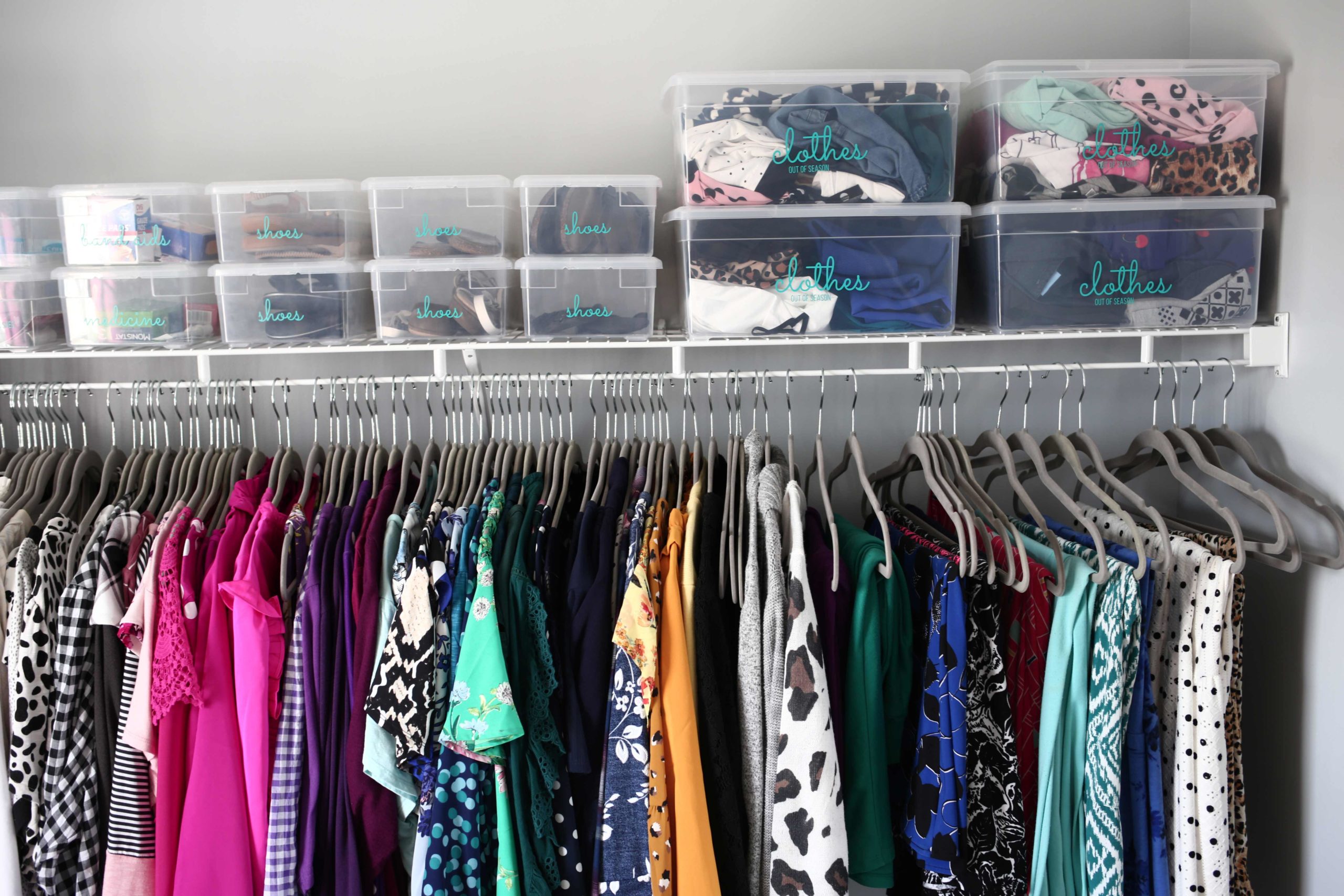
The 10-item wardrobe was popularized by Jennifer L. Scott. Constraints can be freeing and encourage creativity, but they can also create stress if you’re unsure what “counts” or if rules overwhelm you.
For some personalities, this is transformative. For others, it’s unnecessary pressure.
Turn Your Hangers Around (A Tier)
Flip all your hangers backward. When you wear something, return it facing forward. After a few months, you’ll clearly see what you never wear. It takes a little effort upfront, but it provides concrete data and simplifies decisions.
The $10 / 10-Minute Rule (A Tier)
If you could replace an item for under $10 and in under 10 minutes, you can probably let it go. This works well for excess practical items and reduces attachment to “just in case” clutter. It should be applied thoughtfully so you don’t eliminate reasonable backups you genuinely use.
No-Buy or Low-Buy Challenges (S Tier)
Sometimes the issue isn’t what you own—it’s what keeps coming in. Even imperfectly done, no-buy or low-buy challenges dramatically slow clutter growth. If nothing new enters your home, your progress finally sticks.
The main caution is not to overthink the rules. Keep it simple and realistic.
Declutter-With-Me Videos (S Tier)
Watching someone else declutter while you declutter can be incredibly motivating. Whether it’s transformation videos, decision-making walkthroughs, or timed “quick win” sessions, this approach taps into the psychological benefit of body doubling—knowing someone else is doing it too makes you more likely to act.
There’s very little downside and a lot of upside.
“Would I Keep This If I Were Moving?” (S Tier)
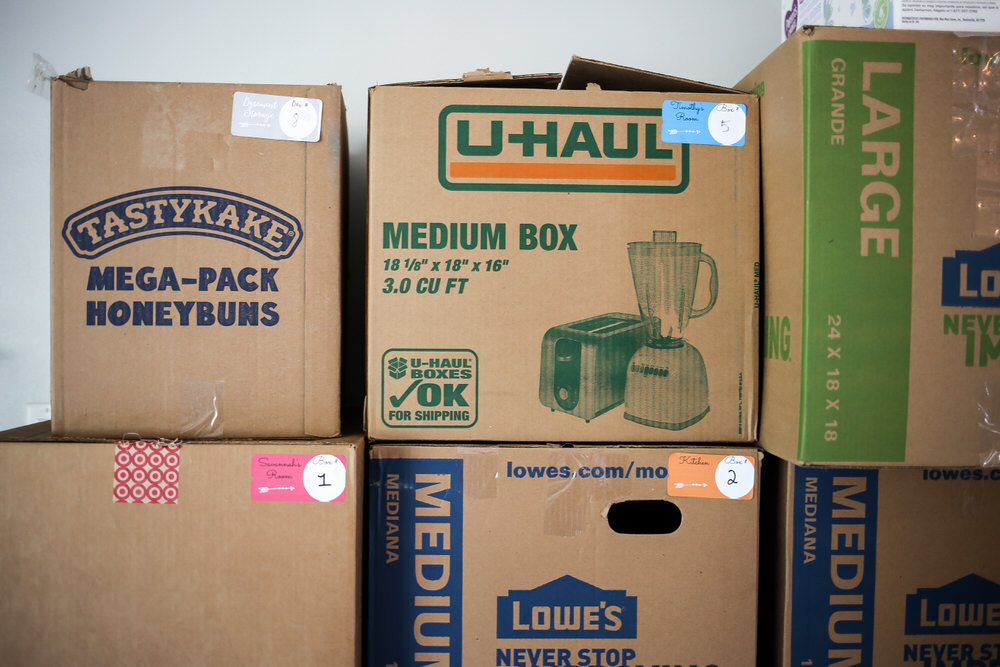
This is one of my favorite decluttering questions. When you’re moving, you don’t want to pack and transport things you don’t need. That urgency clarifies priorities immediately.
If you wouldn’t pay to move it, why keep it now?
The Real Takeaway
None of these tips are inherently bad, and many are genuinely helpful. But none of them are a complete solution. If you’ve tried hack after hack and still feel like you’re spinning your wheels, it’s not because you’re lazy or incapable. It’s because you need a full system with structure, sequence, and support.
That’s exactly why I created Declutter University—to give you a clear, step-by-step path instead of random hacks. If you’re ready for more than just tips, you’re just in time!




 Copyright 2026, Get Organized HQ.
Luciana Says
Hi,
I just wanted to add something to the “Does this spark joy method?” – Marie Kondo mentions in her books there are items that don’t necessarily spark joy but are useful and have a scope, like kitchen tools for example. And also, I believe that even a toilet brush (clean, well smelling) or kitchen spatula can spark joy.
Florence Appéré Says
I want to add that Marie Kondo says to ask three questions: Does it spark joy? Is it useful? Is it necessary?