

The Brutal Truth About Organizing That No One Tells You
I’ve been talking about organizing and decluttering for 14 years, and there are a few things I think we all need to finally say out loud. A lot of popular organizing advice sounds great, but it doesn’t actually work for everyone. The problem is that when the advice doesn’t work, we often assume we’re the ones doing something wrong.
Some of these things are mistakes I’ve made myself. Some I’ve even done on camera! But the more I’ve organized real homes and talked to real people about what actually works, the more I’ve realized that being organized doesn’t have to look or work the way we’ve been told it should. Keep reading, or check out the video here to hear about some of the organizing advice I think we’ve gotten wrong!
1. Being Organized Doesn’t Mean Looking Organized
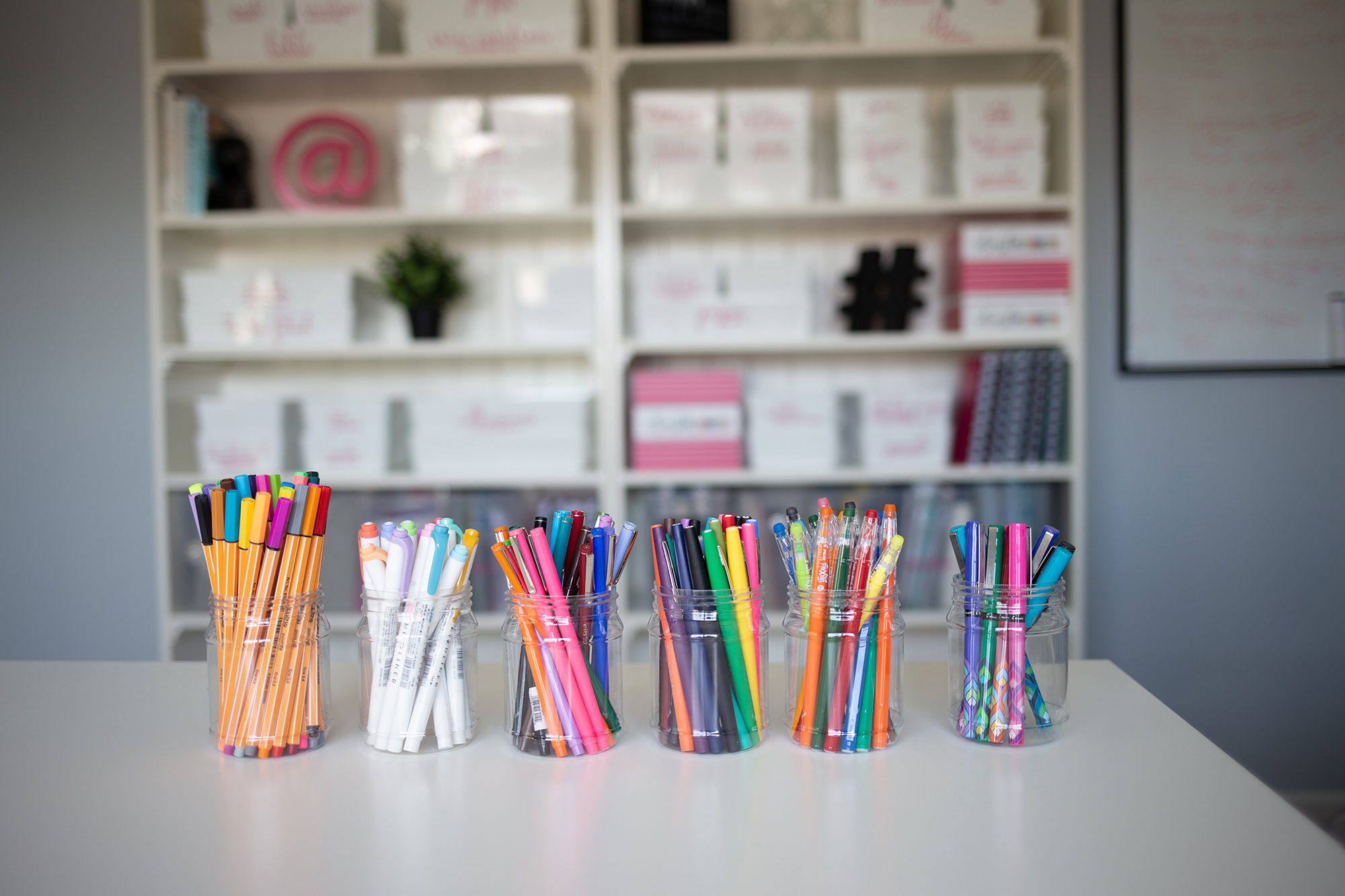
Thanks to magazines, Pinterest, Instagram, and all those beautiful organizing photos online, it’s easy to start believing that being organized means having matching bins, perfect labels, and everything color coded.
I love beautiful organizing products as much as anyone, but that’s a style of organizing. It’s not the definition of being organized.
My definition is much simpler. To be organized, two things need to be true:
- Every item has a home.
- Everyone who uses that item knows where its home is.
That’s it.
Beautiful matching bins with perfectly printed labels can be organized, but old shoe boxes sitting on a shelf can be organized too. Clear acrylic drawer dividers can work beautifully, but so can a cereal box that you’ve cut down to create a divider.
Your home doesn’t have to be photo shoot ready to be organized. If you can find what you need and put it away when you’re finished, your system is doing its job.
2. Those Perfect Organizing Photos Are Usually Staged
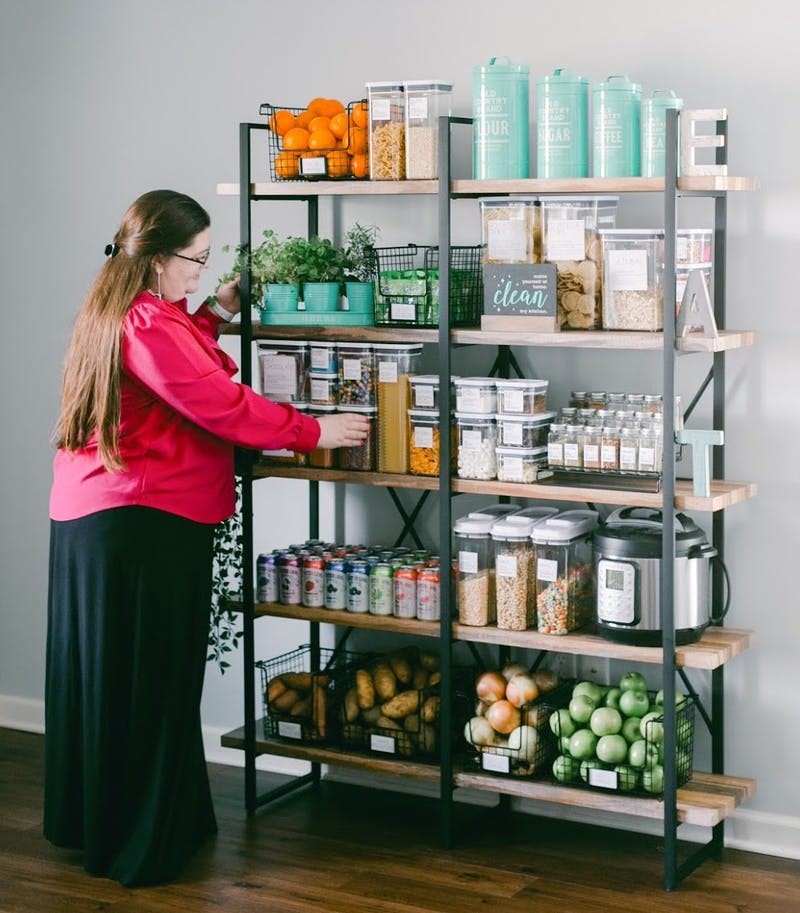
Speaking of photo shoots, there’s something else that’s important to understand about those gorgeous organizing photos you see online and in magazines. They’re often staged.
I know this because I’ve done it.
If you’re trying to photograph an organized pantry and make it look magazine worthy, you have to style it. You might go buy four matching boxes of pasta because the pantry looks better when all four boxes are identical. You’ll also notice that the clear containers in these photos are usually completely full. You don’t see one pasta container filled to the top sitting next to another one with two inches of pasta left at the bottom.
That’s because you’re looking at styling, not necessarily someone’s everyday pantry.
There’s nothing wrong with styling a space to take a beautiful photo. The problem comes when we compare our real, functioning homes to those pictures and wonder why ours don’t look the same. Your pantry has to deal with people eating the food, replacing it with different brands, changing what they like, and generally living their lives. It isn’t supposed to look like a magazine spread every day.
3. Rainbow Organizing Doesn’t Work Everywhere
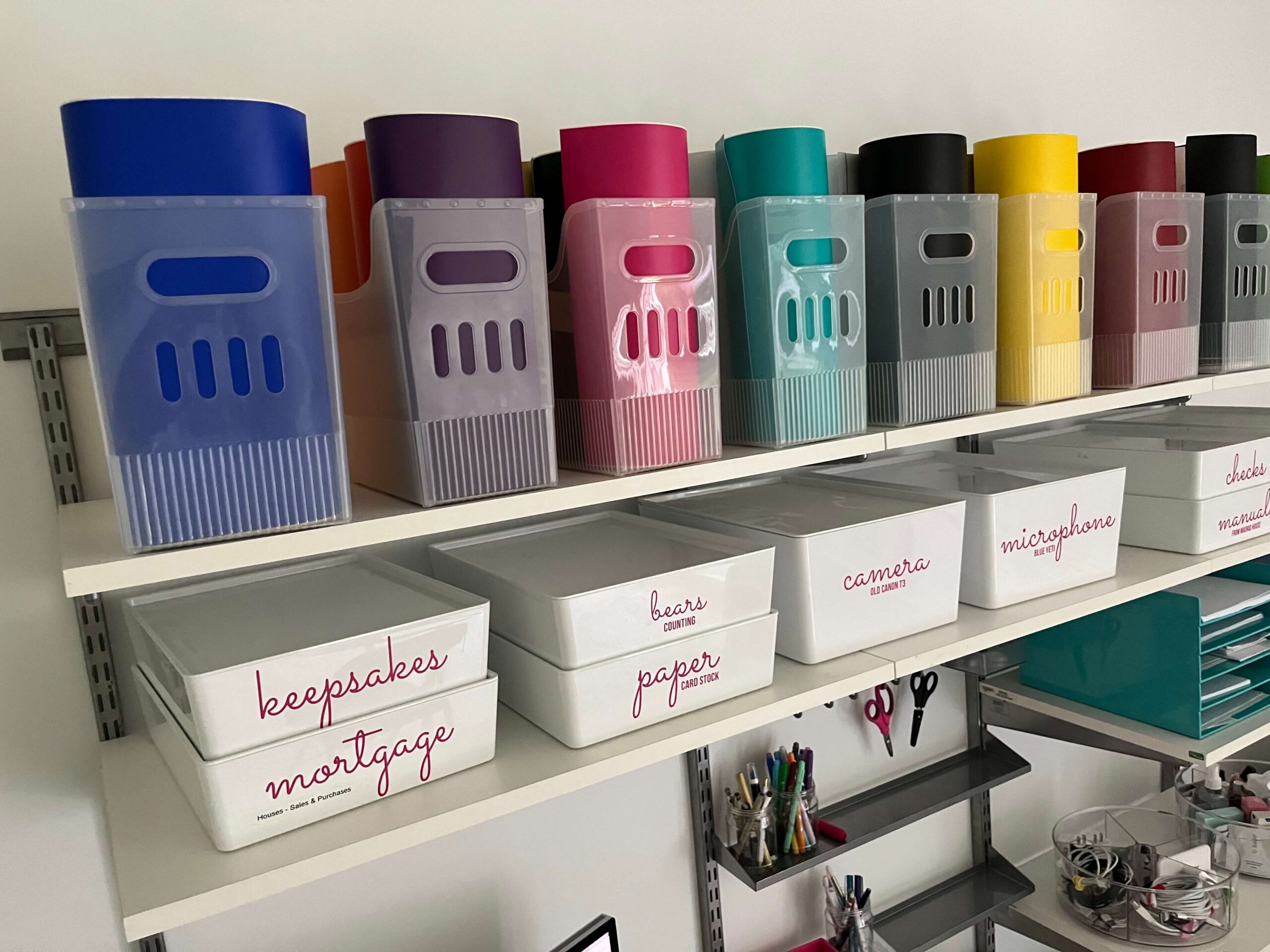
I actually love rainbow organizing. I love bright colors, and there are some spaces where organizing by color is both beautiful and incredibly functional.
A craft room is a great example. If you’re choosing ribbon, fabric, buttons, or another craft supply based on its color, putting everything in rainbow order makes perfect sense. I even organize my own closet by color because if I’m looking for a pink shirt, it’s helpful to know exactly where all the pink shirts are.
The problem is trying to apply rainbow organizing to absolutely everything.
Take your pantry. You could arrange every box and package in rainbow order and make it look amazing today, but what happens next week when you go grocery shopping? Are you going to buy a particular brand of crackers because its packaging happens to be the right shade of orange for the spot on your shelf?
Organizing by color works when color is actually part of how you look for and use the item. When it isn’t, you’re usually creating more work for yourself just to maintain a certain look.
4. Yes, You Actually Can Organize Clutter
default
You’ve probably heard the saying, “You can’t organize clutter.”
I completely agree with the sentiment behind it. I absolutely recommend decluttering before you organize. Why spend time beautifully organizing things you’re eventually going to get rid of anyway?
But technically, you absolutely can organize clutter, and that’s part of what makes this so tricky.
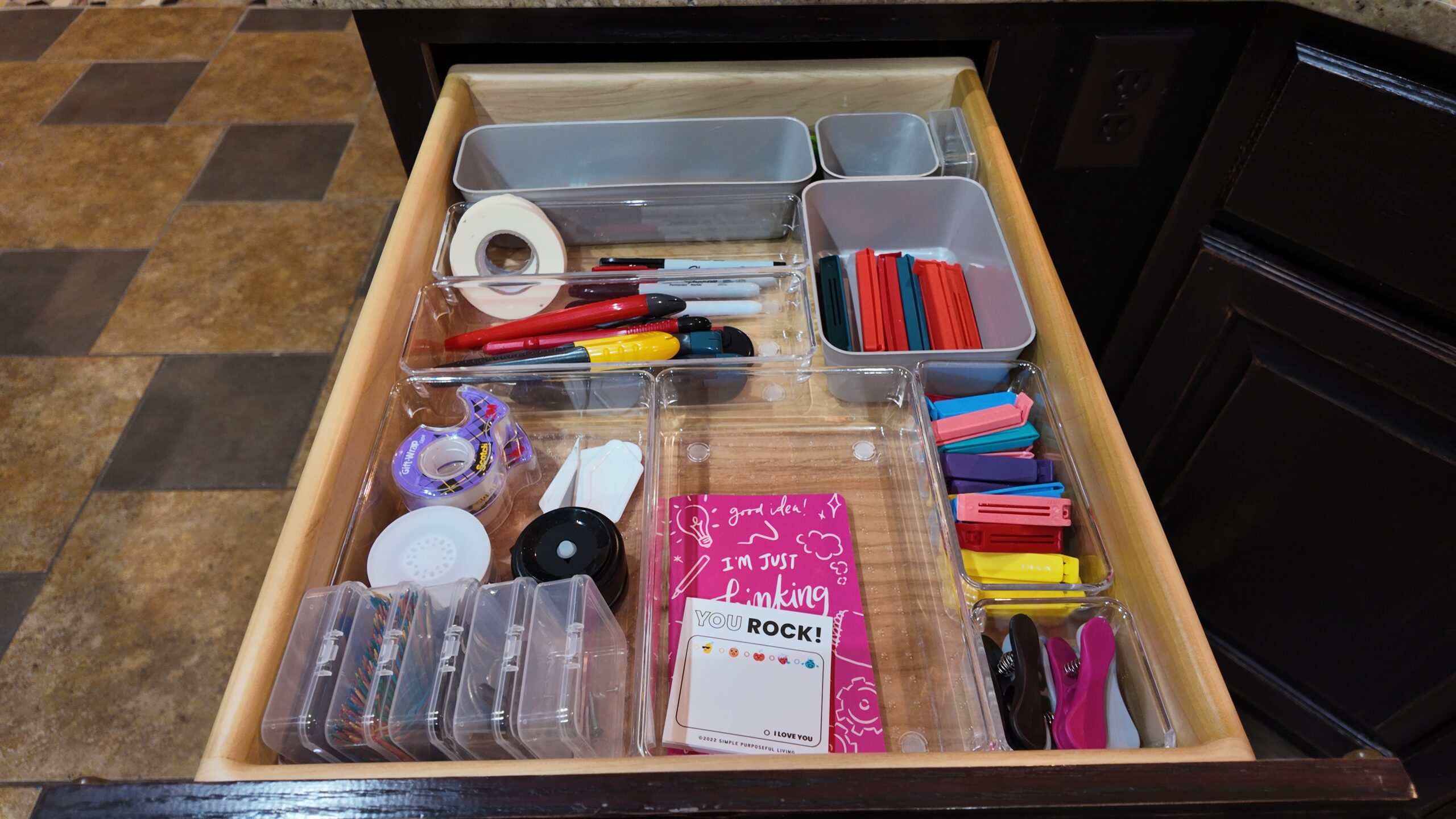
Sometimes clutter is incredibly satisfying to organize. If you have 12 matching bins filled with things you don’t actually need, you can line them up beautifully on a shelf, add matching labels, and create something that looks fantastic. That doesn’t mean the contents of those bins aren’t clutter.
So don’t let an organized appearance fool you. Before you spend time finding the perfect container and labeling system, ask yourself whether you actually need what you’re organizing.
5. Decluttering Won’t Eliminate Your Entire Mental Load
There’s an idea I hear a lot that our stuff acts like a “silent to-do list.” Every item we own requires something from us. It needs to be cleaned, maintained, stored, put away, or dealt with in some way.
I think there’s a lot of truth to that, but I’ve also seen this idea get mixed up with the concept of mental load. They’re not the same thing.
Your mental load includes everything you’re trying to remember and manage. You might need to fill out a school form, schedule a dentist appointment, make a doctor’s appointment, arrange to have the gutters cleaned, or deal with a tax form. None of those things necessarily have anything to do with how much physical stuff you own.
Of course, some of your belongings really can feel like a silent to-do list. That huge pile of clothes you’ve been meaning to go through might make you feel guilty every single time you walk past it. Meanwhile, you might have a few bins in the garage containing things you could eventually declutter, but you barely think about them.
Pay attention to the things that are calling your name the loudest and deal with those first. Just don’t expect decluttering your home to magically eliminate everything you’re responsible for managing. You can significantly reduce the stress caused by your stuff and still have plenty of mental load left over.
6. Some Spaces May Never Stay Organized
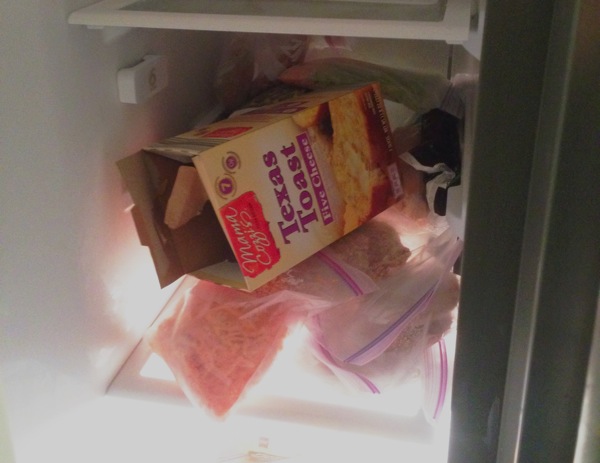
I think everyone needs permission to admit that there might be a space in their home that’s just never going to stay beautifully organized.
For me, it’s the deep freezer.
I’ve tried organizing it, but the contents are constantly changing. For a while, we might be on a smoothie kick and have tons of frozen fruit. Then we might buy a quarter of a cow with friends and suddenly the freezer is filled with meat. Six months from now, we’ll probably have a completely different assortment of food.
I could buy bins, create categories, and develop a complicated organizing system, but maintaining it would probably create more frustration than it solves. Instead, I focus on keeping an inventory so I know what we have and food doesn’t get forgotten.
You may have a space like this too. If you’ve repeatedly tried to organize a particular area and the system always falls apart because the contents constantly change, maybe the answer isn’t a better organizing system. Maybe you can simply decide that this particular space doesn’t need to look perfectly organized.
7. You Can’t Declutter Your Square Footage
Decluttering can absolutely make your home easier to clean. If your bathroom counter is covered in stuff, cleaning it requires moving everything, wiping underneath it, and putting it all back. Remove the clutter and cleaning becomes much faster.
But there is a point where decluttering stops reducing your cleaning time because you can’t declutter the actual square footage of your house.
My main bathroom is a great example. It’s big. There’s a large shower with lots of tile and grout, a bathtub, two sinks, and plenty of floor space. There is very little clutter in there, but it still takes me about 20 minutes to give it a basic cleaning because there is simply a lot of bathroom to clean.
I could declutter every last unnecessary item from underneath the sink and it wouldn’t make my shower any smaller.
So yes, declutter your home. It will probably make cleaning easier, especially if you’re currently working around piles of stuff. But don’t assume you’re doing something wrong if cleaning your mostly decluttered house still requires a decent amount of work. Sometimes you simply have a lot of square footage to clean.
8. You Shouldn’t Always Do Your Best
This one might sound strange, but stay with me.
My dad used to say, “Don’t give first-rate effort to second-rate causes.” In other words, not everything deserves your absolute best effort.
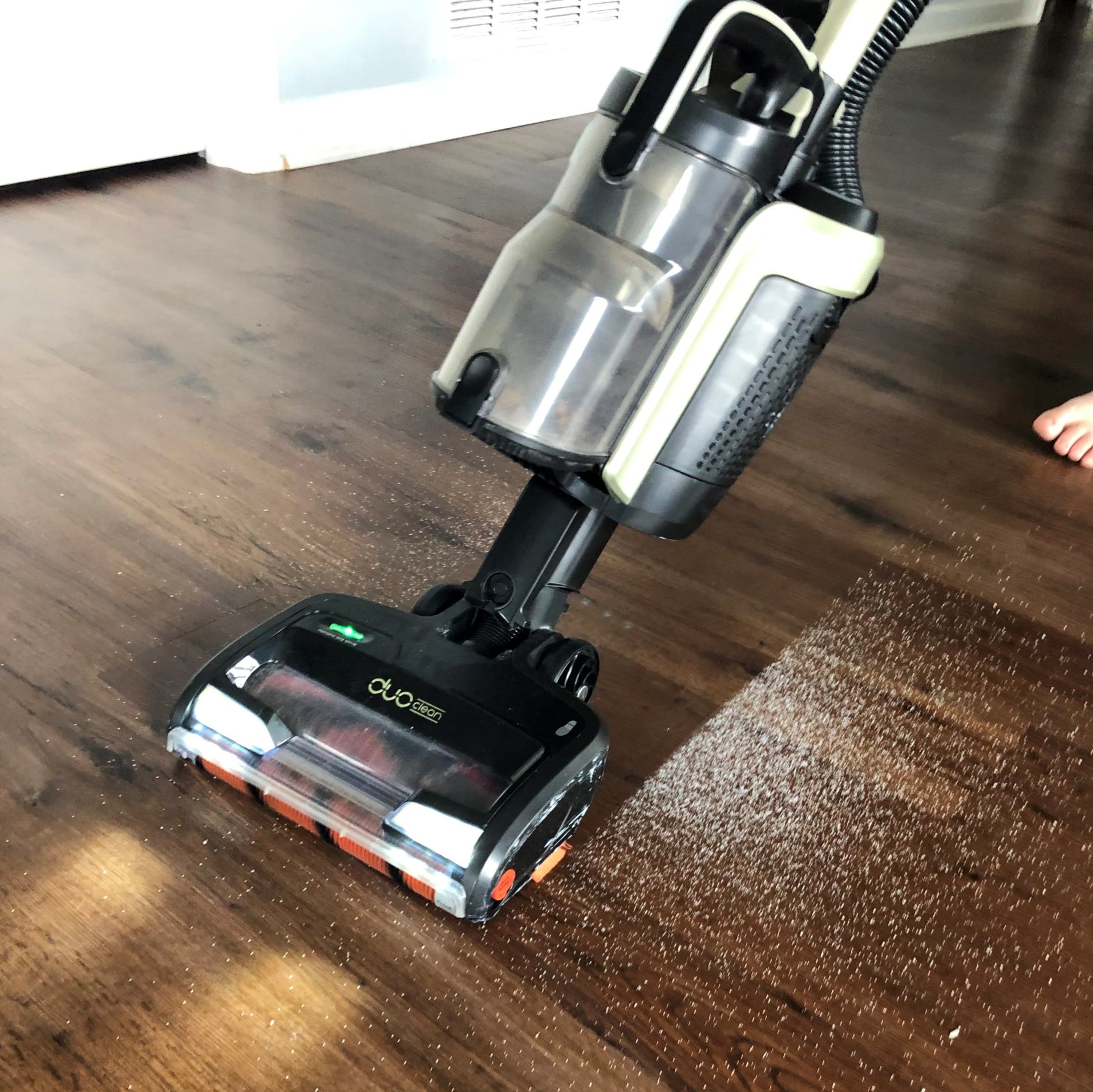
I tend toward perfectionism, and this has been especially important for me when it comes to taking care of my home. I used to approach something like cleaning the bathroom thinking that if I was going to do it, I should do it as well as possible. Suddenly a task that should have taken 20 minutes turned into an hour because I’m scrubbing tiny spots around the bottom of the toilet with a toothbrush.
Then the next time the bathroom needed cleaning, I didn’t want to do it because I remembered how exhausting it was the last time. I’d procrastinate, the bathroom would get dirtier, and the entire job would become even harder.
Now I approach routine cleaning completely differently. I tell myself I’m trying to earn a C.
I’m not trying to get an A. I’m not even trying for a B. A C is passing, and that’s the goal. Every once in a while, I might intentionally deep clean something and go for the A, but most everyday home management doesn’t deserve first-rate effort.
Giving yourself permission to do a perfectly acceptable job instead of a perfect job can make it much easier to actually get things done.
9. Extreme Decluttering Can Actually Create More Stress
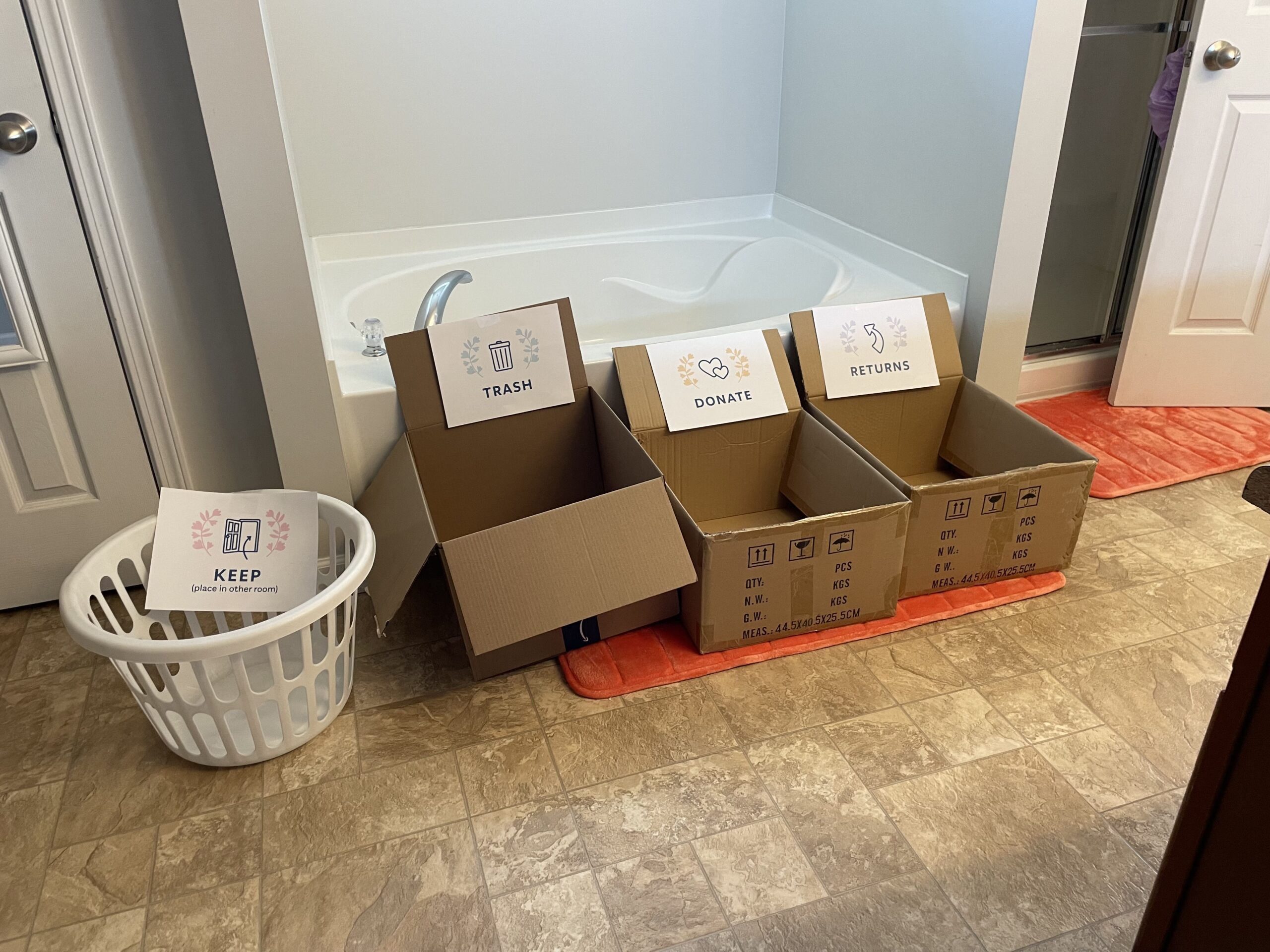
I love decluttering, and I think most of us would benefit from getting rid of more things. But there is a point where extreme decluttering can actually make your life harder.
Think about clothing. If your child owns 12 outfits, you have some flexibility with laundry. If you’re busy one day, don’t feel well, or simply don’t get around to washing clothes, everyone still has something to wear.
Now imagine your child owns only five outfits. That’s certainly more minimalist, but you’ve also removed your flexibility. You have to wash clothes every few days because there simply aren’t enough clothes to skip laundry.
The same thing happens with dishes. A family of four could own exactly four dinner plates, but now those plates have to be washed before the next meal. If lunch gets hectic and you need to run out the door, you no longer have the option to leave the dishes until later and grab clean plates for dinner.
For some people, those limitations might actually be helpful. Maybe owning fewer clothes forces you to stay on top of laundry, and you love that. But for someone else, having a few extras creates breathing room.
The goal of decluttering shouldn’t be to own as little as humanly possible. The goal is to own an amount that makes your life easier. If getting rid of more starts creating additional stress, you’ve probably reached the point where more decluttering isn’t necessarily better.
10. You Don’t Have to Do Everything 15 Minutes at a Time
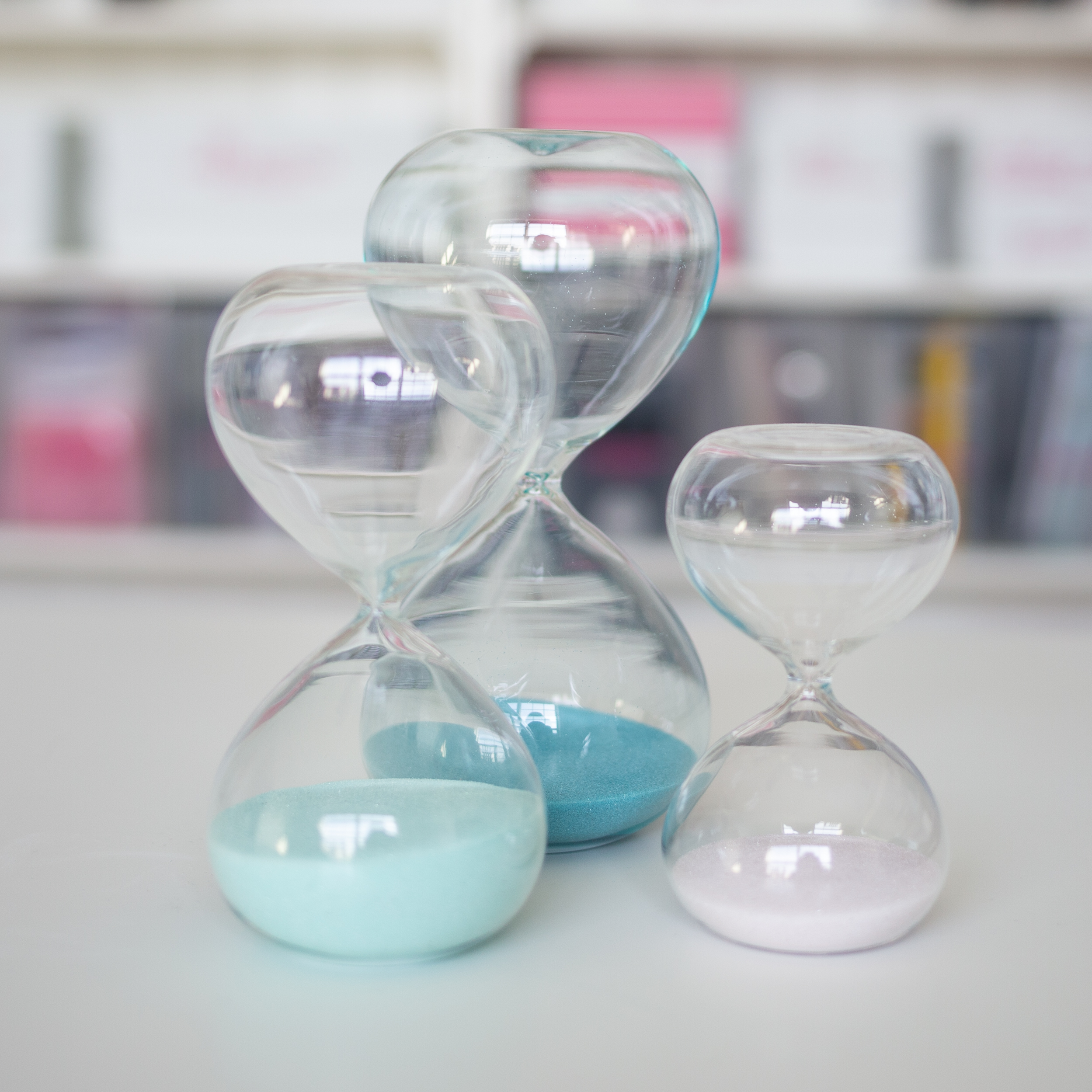
One of the most common pieces of productivity and organizing advice is to break everything into 15-minute chunks. Instead of decluttering your whole closet, work on it for 15 minutes today. Come back tomorrow and do another 15 minutes.
This can work incredibly well, and consistency adds up. If you worked on your home for just 15 minutes every weekday for an entire year, you’d accomplish far more than you would during one giant weekend organizing marathon.
But there’s one problem: not everyone works best that way.
Some people love small chunks. Other people, myself included, feel like they’re finally getting into a project when the 15 minutes are up. Once I get started, I build momentum and actually want to keep going.
In fact, more than 41,000 people have taken my Organizing Personality Quiz, and 56% said they work better in bigger chunks while 44% prefer smaller chunks. It’s almost evenly split.
So if 15 minutes a day works beautifully for you, keep doing it. But if you’ve been trying to force yourself to work that way and constantly failing, maybe the strategy is the problem.
That doesn’t mean you should pull every item out of your closet when you only have two hours and leave yourself with a giant pile on your bed at bedtime. Instead, choose a portion of the project you can reasonably complete during the time you have. If you have two hours, maybe you can pull out every top in your closet, declutter them, and put them back.
The important thing is understanding how you naturally work and using that knowledge to your advantage whenever possible.
Find What Actually Works for You
If there’s one theme running through all of these organizing truths, it’s that there isn’t one right way to organize your home.
Your pantry doesn’t have to look like Instagram. You don’t have to rainbow organize everything. You don’t need to keep every space perfectly organized, get rid of everything you possibly can, clean everything perfectly, or force yourself to work in 15-minute increments if that’s not how your brain works.
Good organizing should make your life easier, not give you another standard you’re constantly failing to meet.
Pay attention to what actually works in your home. Figure out what helps you find things, put things away, maintain your spaces, and feel less overwhelmed. Then give yourself permission to do more of that, even if it doesn’t look like the organizing advice you’ve been given.
And if you’re not sure whether you’re someone who works best in small chunks or likes to dive into a bigger project, take my Organizing Personality Quiz. Once you understand your natural organizing style, it’s much easier to build systems that work with you instead of constantly fighting against yourself!




 Copyright 2026, Get Organized HQ.
Dee Says
I love your approach to organizing and explaining it to others. I’ve been following you for a few years now and your methods and encouragement have really helped me to organize my home and life. I’m in the season of empty nest/getting ready to retire, so downsizing has been my goal. I don’t want to leave my boys with a bunch of “stuff” to have to deal with and get rid of when we’re gone. So, THANK YOU for all of your tips, tricks, encouragement and real world probli solving ideas. My home and my brain feel SO MUCH BETTER!! Keep up the great work! You are a true blessing to others.
Audrey Says
Thanks for this incredibly helpful and realistic look at what it means to be organized in a practical way!